FIELD INTERVIEW / NEPAL
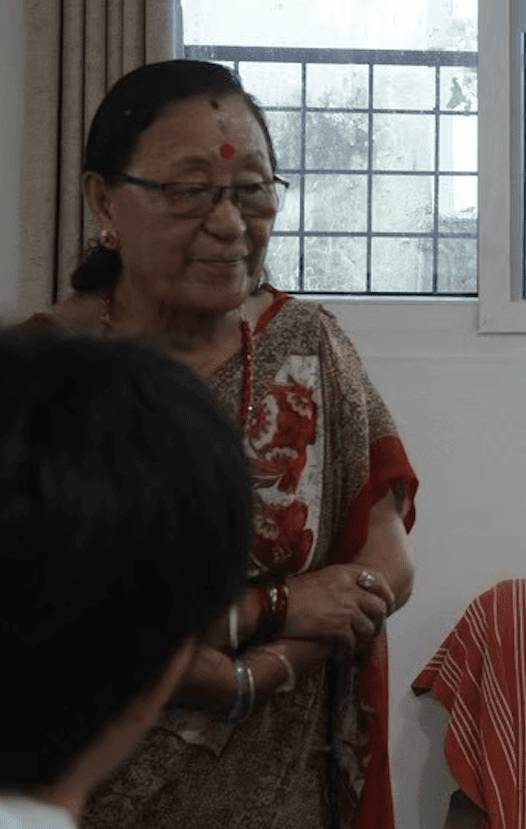
Founder of WSDO
Founder
Nepal · 2026 July
Women’s Empowerment / Employment / Education / Community
The founder of WSDO described a Fair Trade social enterprise supporting vulnerable women through vocational training, stable work, healthcare assistance, education, childcare support, and economic independence.
CONTEXT
Why I Wanted This Perspective
Before this conversation, I was investigating how public policy is experienced through work, institutions, and everyday choices. This perspective was useful because it could complicate the question rather than settle it. I wanted to understand where professional experience, personal observation, and broader policy conditions aligned—or did not align.
[ADD YOUR OWN FIELD CONTEXT AND RESEARCH QUESTION]
INTERVIEW QUESTIONS
Questions I Asked
01 / ECONOMIC INDEPENDENCE
How can employment and vocational training give women greater economic independence?
02 / SUPPORT BEYOND EMPLOYMENT
What kinds of support do women need beyond wages to build stable livelihoods?
03 / FAIR TRADE
How can Fair Trade contribute to both economic opportunity and long-term community development?
04 / EDUCATION & SOCIAL CHANGE
How can education and awareness help address challenges facing women and their families?
INTERVIEW FINDINGS
What I Heard
01 / VOCATIONAL TRAINING
WSDO provides free vocational training to vulnerable and marginalized women, helping them develop skills for handicraft production and independent income.
Key Finding - Skills can provide a pathway from economic dependence toward greater independence.
02 / EDUCATION
Training sessions address issues including workplace harassment, child marriage, domestic violence, and women’s rights, while scholarships support workers’ children.
Key Finding - Economic empowerment can extend beyond income to education, awareness, and the next generation.
03 / BRAIN DRAIN
The founder connected migration to higher salaries and greater career opportunities abroad, but also suggested that knowledge and experience gained overseas could eventually benefit Nepal.
Key Finding - Migration does not necessarily represent a permanent loss if knowledge and experience can later contribute to Nepal.
04 / FAIR TRADE
The founder described Fair Trade as including fair wages, safe working conditions, stable employment, community development, and environmental responsibility.
Key Finding - Fair Trade can connect business practices with broader social and community goals.
FIELD REFLECTION
What Changed in My Thinking
BEFORE THE INTERVIEW
I tended to think about employment mainly in economic terms: whether jobs existed, how much workers earned, and whether businesses could create more opportunities.
WHAT COMPLICATED IT
WSDO showed me that employment could be connected to a much larger support system. Training, healthcare, childcare, education, awareness, and stable income all influenced what employment could actually mean for a worker.
The founder’s perspective also complicated the idea that empowerment is simply about giving someone a job. Economic independence can affect the choices people are able to make in their families and everyday lives.
AFTER THE INTERVIEW
The question became not simply whether people have jobs, but whether employment provides the skills, stability, support, and independence necessary for people to make meaningful choices about their futures.